
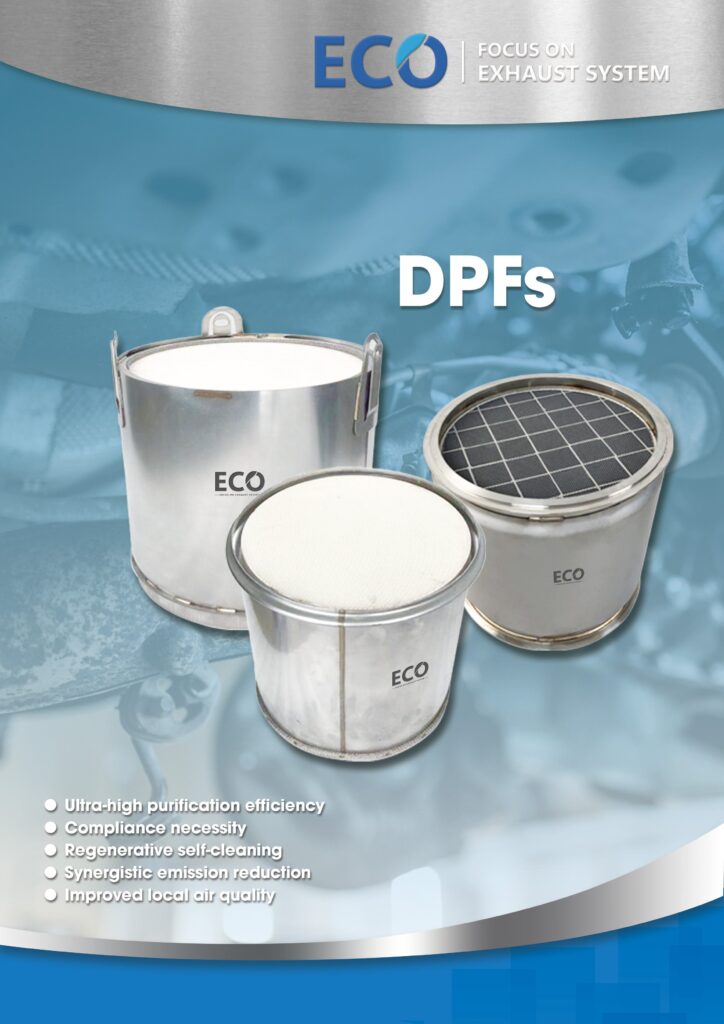
Professional DPF cleaning can extend filter life, but not all cleaning services deliver the same result. Choosing the right provider affects whether a cleaned DPF passes flow testing, lasts, and avoids repeat failures. This guide helps workshops and fleets evaluate DPF cleaning services.
Table of Contents
Why the Cleaning Provider Matters
A poorly executed cleaning can leave ash behind, damage the substrate, or fail to restore proper flow. The difference between a professional cleaning service and a cheap local operation is the process, equipment and acceptance testing. Our guide on DPF replacement vs cleaning explains why the cleaner’s criteria matter.
Questions to Ask a DPF Cleaner
Before sending a DPF to a cleaning service, ask:
- What cleaning process do you use? Air pulse, thermal bake, chemical soak, or a combination?
- Do you provide pre- and post-cleaning flow testing? Acceptance data proves the filter is restored.
- What is your intake criteria? A reputable cleaner will refuse cracked or melted units.
- What is the turnaround time? Same-day or next-day service matters for fleet uptime.
- What warranty do you offer? A quality cleaner stands behind the result.
- Do you handle commercial vehicle DPFs? Heavy-duty filters require different equipment than passenger-car units.
If the cleaner cannot answer these questions clearly, look elsewhere. For replacement options when cleaning is not viable, see our DPF product range.
What a Quality Cleaning Process Includes
- Visual inspection: The cleaner inspects the substrate for cracks, melting and damage before accepting the unit.
- Pre-cleaning flow test: Baseline backpressure measurement establishes the starting condition.
- Cleaning process: Controlled air flow, thermal baking or chemical soak removes ash without damaging the substrate.
- Post-cleaning flow test: The filter must meet the cleaner’s acceptance criteria before return.
- Documentation: The customer receives before/after flow data and any observed condition notes.
- Fresh sealing recommendation: A professional service reminds the customer to replace clamps and gaskets at reinstallation.
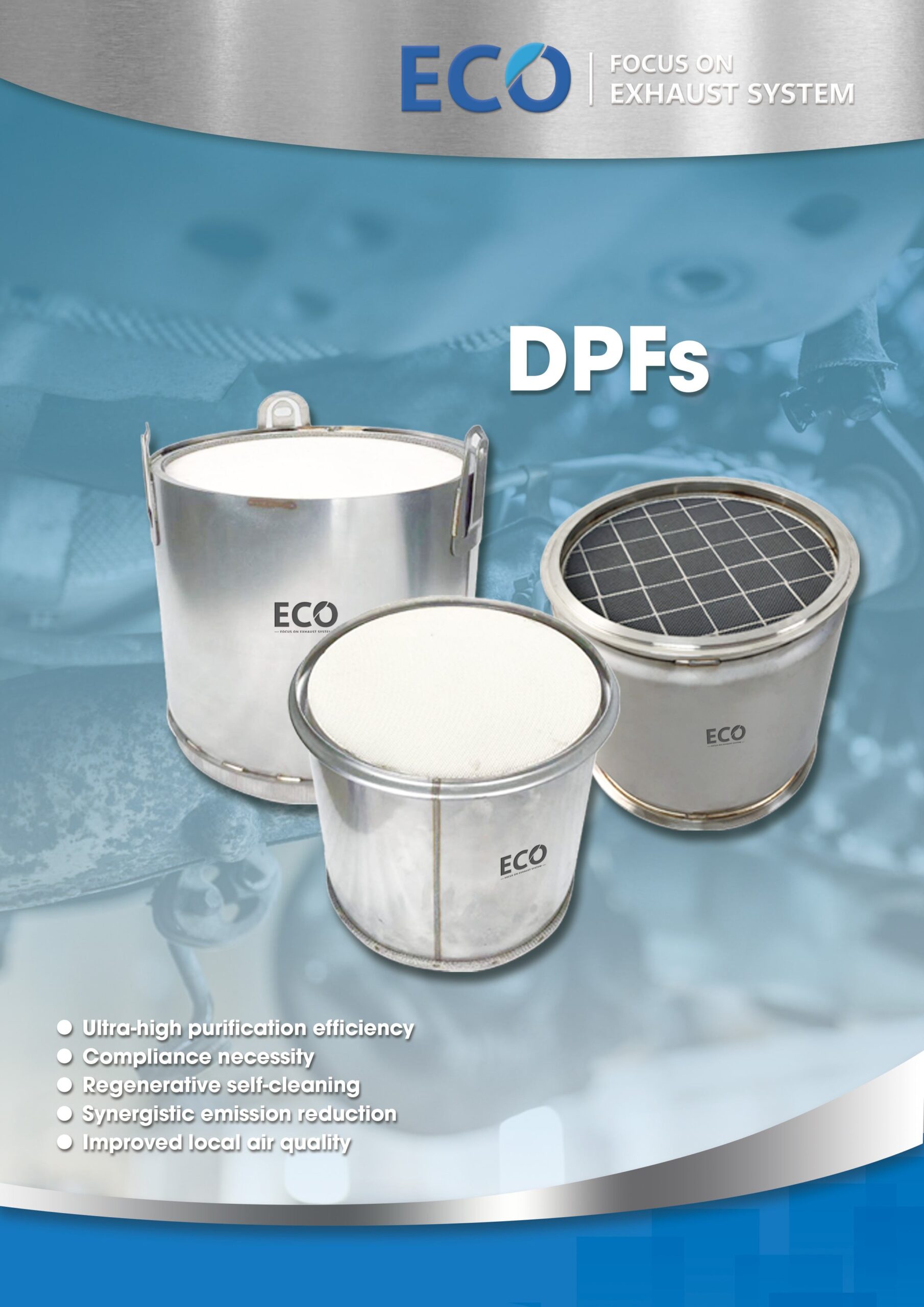
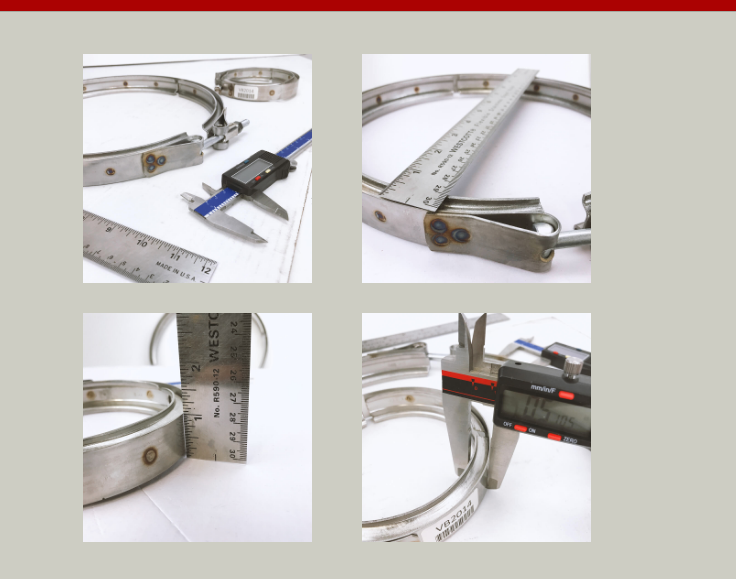
When the DPF is reinstalled, always use fresh DPF clamps and gaskets. Our guide on choosing the correct DPF gasket covers selection.
Provider Evaluation Quick Reference
| Criterion | Quality Provider | Riskier Provider |
|---|---|---|
| Flow testing | Pre and post, documented | None or informal |
| Intake criteria | Refuses damaged units | Cleans anything |
| Process control | Controlled temperature/airflow | Generic process |
| Turnaround | Documented SLA | Uncertain |
| Warranty | Offered in writing | Vague or none |
| Heavy-duty experience | Specializes in commercial | Passenger-car focus |
When to Clean vs Replace
Even with the best cleaner, not every DPF is a cleaning candidate. If the substrate is cracked, melted, severely contaminated or has already been cleaned once, replacement is the stronger decision. Our detailed replacement vs cleaning guide walks through the criteria. When replacing, ECO supplies complete clamp and gasket kits matched to your OE reference. The parts crosses page supports OE lookup.
Frequently Asked Questions
How much does professional DPF cleaning cost?
Most professional services charge $150–$400 per unit, including flow testing. This excludes removal labor and clamp/gasket replacement. See our cleaning vs replacement cost analysis.
How long does DPF cleaning take?
Same-day or next-day service is typical for professional shops. Mail-in services add shipping time. Confirm turnaround before sending the unit.
Should I replace the clamp when reinstalling a cleaned DPF?
Yes. Every DPF removal requires a new clamp and gasket. Reused gaskets cause leaks. Follow our clamp torque guide.
What if the cleaner says my DPF cannot be cleaned?
That is good news in disguise—they are protecting you from a failed cleaning. A refused unit needs replacement. ECO supplies OE-fit DPF replacement kits.
What to Do After Cleaning Returns
When your cleaned DPF comes back from the service provider, inspect it before reinstallation. Check that the flow-test data matches the cleaner’s claimed acceptance criteria. Inspect the substrate for any new damage that may have occurred during shipping. Confirm the canister flange is undamaged and the sensor ports are clean. At reinstallation, use a new clamp and gasket even though the unit was only cleaned. Our installation best practices guide walks through the procedure. After the first 5,000 km, re-check the DPF status to confirm the cleaning result is holding.
Building a Cleaning Relationship
For fleets with many vehicles, a consistent relationship with one quality cleaner saves time and reduces errors. Over time, the cleaner learns your fleet’s common applications and can flag trends before they become failures. Ask the cleaner to keep historical flow-test records so you can compare units over their service life. When a DPF finally needs replacement, ECO supplies the matching DPF, clamp and gasket kit for the next generation. Our parts crosses tool supports cross-reference.
When to Avoid Cheap Cleaning
A cleaning service that offers a price well below market average is a risk. Cheap cleaning often skips flow testing, uses a generic process and accepts damaged units. The result is a filter that looks clean but has not been verified. This leads to reinstallation, repeat failure and a second service visit. The savings disappear quickly. Always ask for flow-test data and intake criteria. Our low-quality parts identification guide applies to cleaning services as well.
Cleaning and the Root Cause
Even the best cleaning cannot fix an engine that is producing excessive soot. Before cleaning, address the root cause: injectors, EGR, oil consumption and sensors. Otherwise, the cleaned DPF re-clogs within months. Our DPF fault codes guide helps identify engine-related causes. When replacement is needed, ECO supplies verified DPF kits with matching clamps and gaskets.
Final Recommendation
Choose a DPF cleaning provider the same way you choose a parts supplier: ask questions, verify process, and demand documentation. A quality cleaner restores the filter and proves it with flow-test data. If the cleaner refuses to share data or accepts obviously damaged units, look elsewhere. When cleaning is no longer viable, ECO supplies verified replacement DPF, clamp and gasket kits. Our parts crosses tool confirms your OE reference. Contact the technical team for sample and program details.
Red Flags in a Cleaning Quote
Be cautious of cleaners who cannot answer specific questions about their process, who offer prices far below market, or who pressure you into shipping without intake criteria. A professional cleaner will tell you upfront what they accept, what they charge, and what data they provide. If a quote sounds too good to be true, it usually is. ECO does not perform cleaning services, but we supply verified replacement DPF, clamp and gasket kits when cleaning reaches its limit. See our cost analysis.
Making the Most of Cleaning
To get the most value from professional DPF cleaning, do your part. Correct the root cause before sending the filter. Use a quality cleaner with flow testing. Reinstall with a new clamp and gasket. Monitor performance after reinstallation. These steps ensure the cleaning delivers maximum benefit. When cleaning is no longer viable, ECO supplies verified DPF replacement kits. Our installation guide covers the procedure.
Choosing a DPF cleaning provider is a long-term decision, not a one-time transaction. Build a relationship with a quality cleaner and stick with them. Over time, they learn your fleet’s applications and can flag issues early. ECO does not perform cleaning services, but we supply verified replacement DPF, clamp and gasket kits when cleaning reaches its limit. Our parts crosses tool confirms your OE reference.
Conclusion
Choosing the right DPF cleaning provider is as important as deciding to clean at all. Ask about process, flow testing, intake criteria and warranty. A quality cleaner restores the filter and documents the result. When cleaning is no longer viable, ECO supplies verified replacement DPF, clamp and gasket kits. Contact our technical team with your OE number for fitment support.