
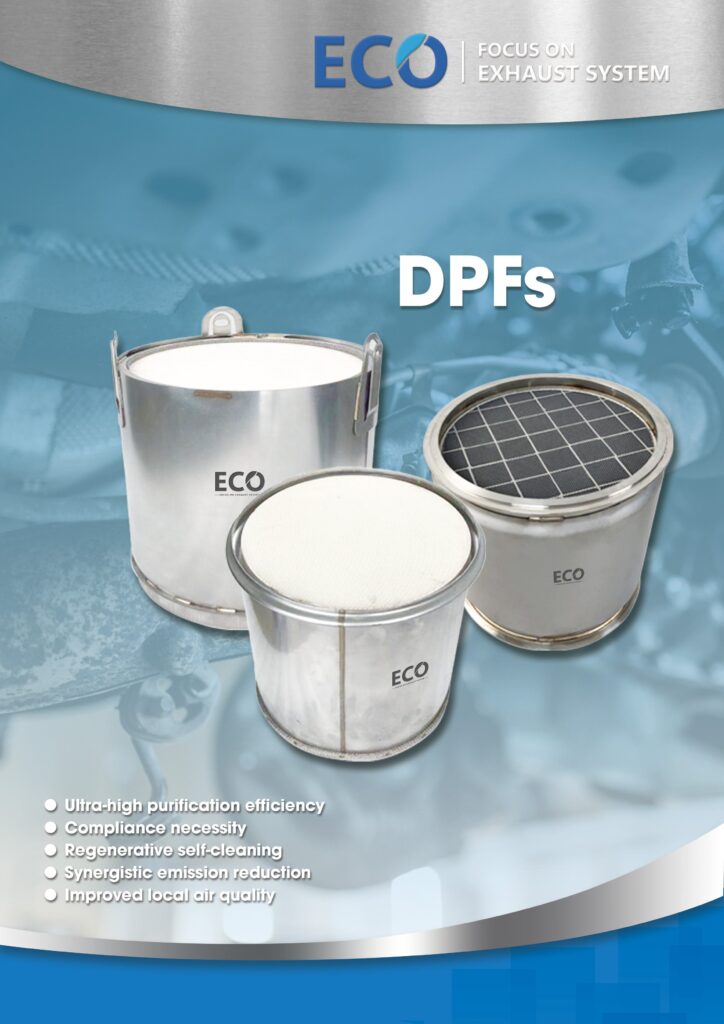
The aftermarket DPF market is flooded with low-quality and counterfeit units that look right but fail quickly. For parts buyers and workshops, recognizing a substandard DPF before it arrives is essential. This guide shows the tell-tale signs of a fake or low-quality replacement DPF and how to vet suppliers.
Table of Contents
Why DPF Quality Matters
A substandard DPF can fail within weeks, trigger repeated fault codes, or damage the engine from excessive backpressure. Cheap copies often use thin-walled canisters, low-grade substrate and missing sensors. The cost of a premature replacement far exceeds the savings from buying a low-priced unit. Our guide on OEM vs aftermarket DPF clamps and gaskets explains what buyers should compare beyond price.
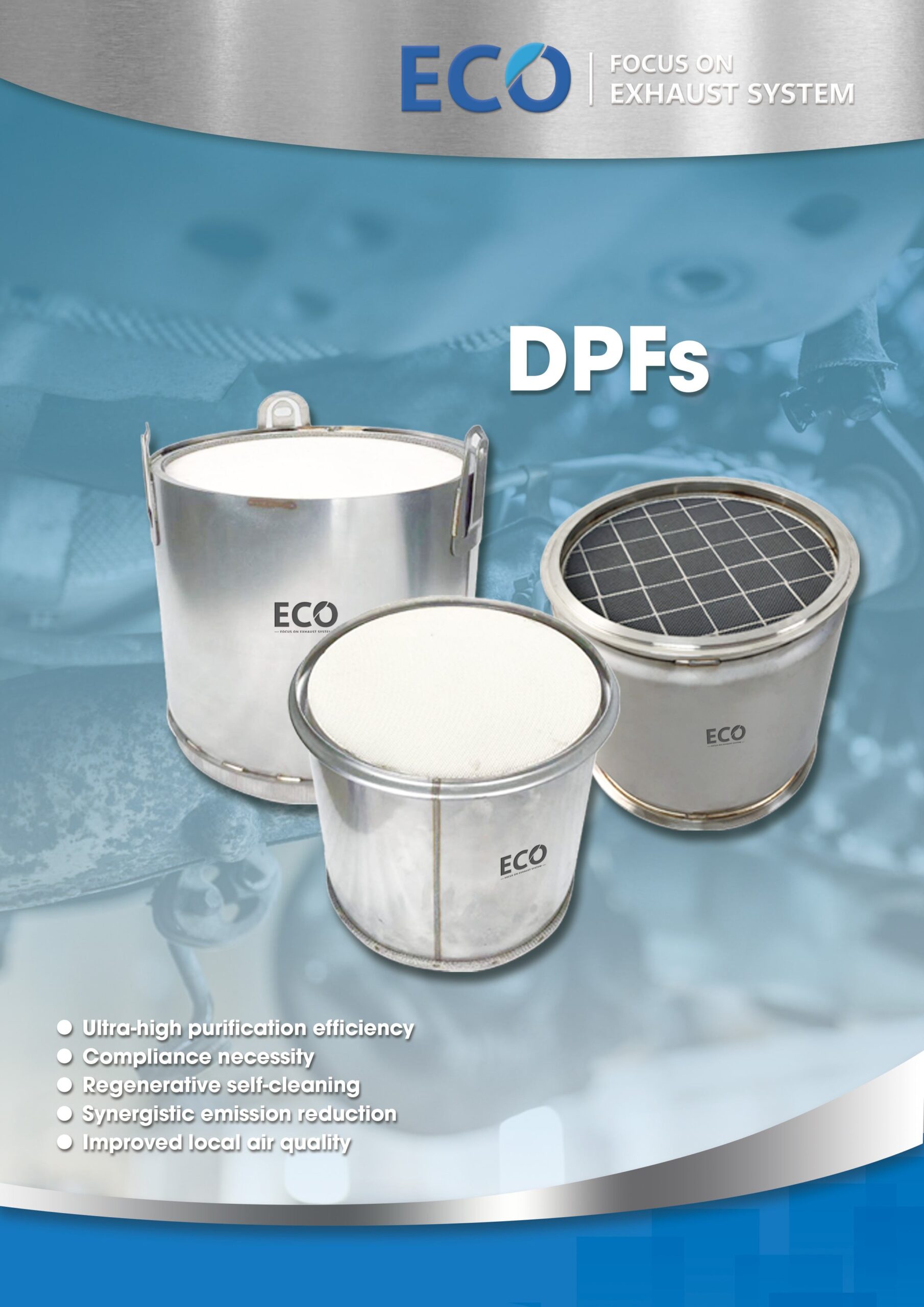
Signs of a Fake or Low-Quality DPF
Watch for these red flags when evaluating a replacement DPF:
- Suspiciously low price: If the price is less than 50% of typical market value, quality is almost certainly compromised.
- Poor weld quality: Rough, inconsistent or cracked welds on the canister indicate rushed manufacturing.
- Blurry or missing labels: OE reference labels should be clear, permanent and professionally applied.
- Mismatched sensor ports: Threaded ports should be clean, undamaged and in the correct positions.
- Thin or dented canister: The housing should feel rigid and uniform. Thin metal resonates when tapped.
- No documentation: Quality suppliers provide material certificates, batch numbers and inspection records.
- Missing clamp and gasket: A quality DPF order should arrive as a complete kit with sealing components.
For clamp and gasket quality specifically, our guide on DPF gasket quality covers material composition and performance standards.
How to Vet a DPF Supplier
Before committing to a supplier, ask:
- Can they provide OE reference cross-references with dimensional verification?
- Do they offer sample units for inspection before a bulk order?
- What is the warranty policy and return process?
- Do they provide batch traceability and incoming inspection records?
- Can they supply the matching clamp and gasket as a complete kit?
- Do they have experience with your specific truck makes and emissions standards?
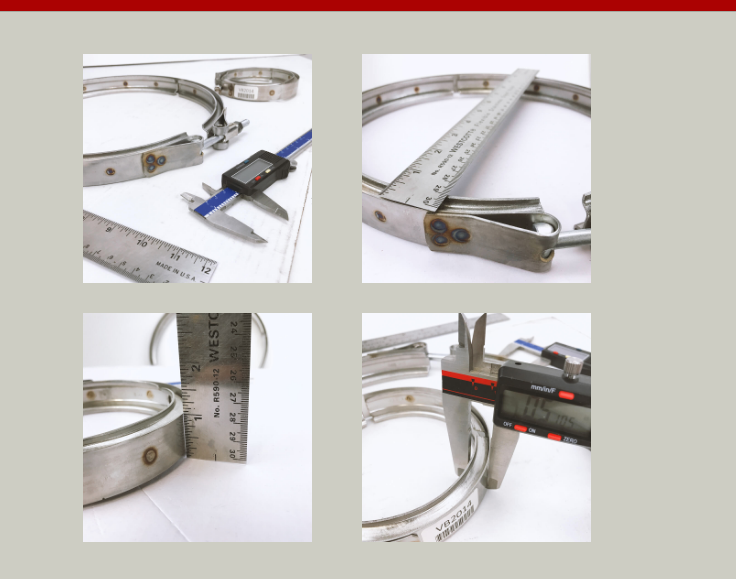
ECO verifies clamp diameter, band width and connection geometry with real measurement evidence before recommending any heavy-duty exhaust solution. Our about page describes this verification process. The parts crosses resource supports OE-number lookup.
Quality Inspection Checklist
On arrival, inspect every DPF shipment against this checklist:
- Outer carton shows no crushing or water damage.
- DPF end caps are in place and flanges are clean.
- Canister welds are smooth and consistent.
- Label matches the order: OE number, application and batch.
- Sensor ports are threaded cleanly and undamaged.
- Clamp band is straight, rust-free and the bolt moves freely.
- Gasket is flat, undamaged and the correct profile.
For packaging and shipping standards, see our guide on DPF shipping and packaging requirements.
Quality Comparison Quick Reference
| Feature | Quality Aftermarket DPF | Low-Quality / Fake DPF |
|---|---|---|
| Price level | Competitive but realistic | Suspiciously low |
| Weld quality | Smooth, consistent | Rough, cracked |
| Labeling | Clear, permanent, batch-tracked | Blurry, peeling, generic |
| Sensor ports | Clean threads, correct positions | Mismatched, damaged |
| Documentation | Certificates, inspection records | None provided |
| Clamp & gasket | Included as matched kit | Missing or mismatched |
| Warranty | Backed by supplier | Unavailable or vague |
Frequently Asked Questions
How can I tell if a DPF is fake?
Check weld quality, labeling clarity, sensor port condition and canister thickness. A suspiciously low price is the strongest warning sign. Always order samples first.
Are all cheap DPFs low quality?
Not all. Legitimate aftermarket suppliers can offer competitive prices through efficient manufacturing. The key is verification: dimensional checks, batch traceability and warranty backing.
What should I do if I received a fake DPF?
Document the damage with photographs, retain the packaging and labels, and contact the supplier immediately. For future orders, switch to a verified supplier with dimensional verification. ECO’s product range includes verified OE-fit kits.
Does ECO guarantee DPF quality?
Yes. Every ECO DPF, clamp and gasket kit is dimensionally verified before shipment. Contact our technical team for sample and program details.
Supply Chain Red Flags
Beyond visual inspection, the buying process itself can reveal a low-quality supplier. Be cautious when a supplier cannot provide clear product photos, offers terms that are significantly more generous than market norms, or pressures you into a large initial order. Reputable aftermarket suppliers welcome verification requests. They will gladly share dimensional drawings, material specifications and reference customers. ECO’s approach is transparent: every quotation includes dimensional verification and a clear description of what is included in the kit.
Documenting Receiving Inspection
When a DPF shipment arrives, document the receiving inspection. Photograph the carton, the DPF label, the flange condition and the clamp and gasket. If anything does not match the order, file a claim immediately. This record also helps when you need to compare suppliers over time. Our shipping and packaging guide describes what protective packaging should look like. If you are comparing European suppliers, our European DPF selection guide provides context.
Building a Long-Term Supplier Shortlist
Instead of sourcing each order independently, build a shortlist of two or three verified suppliers and compare them over time. Evaluate sample quality, response time, packaging accuracy and warranty handling. A supplier that performs consistently on small orders will also perform on large programs. Document every comparison so future purchasing decisions are data-driven rather than price-driven. ECO welcomes buyers who take this approach. Browse our product range and contact the technical team to start a sample order.
When Price Is the Only Signal
If a supplier is significantly cheaper than everyone else, ask why. Legitimate cost advantages come from efficient manufacturing, vertical integration or high volume. Suspiciously low prices usually come from cut corners on materials, weld quality or inspection. Our guide on OEM vs aftermarket clamps explains what should be verified beyond price.
Quality Is a Process, Not a Price
Remember that quality is a process, not a price tag. A cheap DPF that fails in three months costs more than a slightly more expensive unit that lasts three years. When you evaluate suppliers, look at the full picture: dimensional verification, batch traceability, warranty terms and post-sale support. ECO’s quality process includes measuring every clamp diameter and band width before shipment. Browse our product range or contact the technical team for samples. See also our OEM vs aftermarket guide.
Avoiding Common Buying Mistakes
Even experienced buyers make mistakes. The most common is ordering based on price alone. The second is relying on a single cross-reference source without verification. The third is ordering a DPF without the matching clamp and gasket. Avoid all three by using a verified supplier, requesting samples, and ordering complete kits. ECO’s approach is designed around these principles. Our fleet checklist helps buyers avoid these pitfalls. Contact the technical team with your OE number and photos.
Why Verification Matters More Than Price
For international buyers, the cost of a failed DPF installation goes well beyond the part price. Labor, downtime, customer complaints and warranty claims quickly erase any savings from a cheap purchase. This is why verification—not price—should be the deciding factor. A verified DPF that fits correctly and lasts longer is the better value. ECO’s dimensional verification process gives buyers this confidence. Browse our product range or contact the technical team with your OE number.
When you receive a replacement DPF, always compare it against the removed part before installation. Check the label, the flange and the sensor ports. If anything looks different, stop and verify with the supplier. A few minutes of comparison prevents hours of rework. ECO’s technical team is available to confirm fitment questions before you install. Our product range includes verified OE-fit kits.
Conclusion
Avoiding fake and low-quality DPFs comes down to verification, not price comparison. Vet your supplier, order samples, inspect on arrival and demand complete kits with documentation. ECO’s dimensional verification process and complete DPF, clamp and gasket product range are designed for buyers who value reliability over the lowest bid. Use the parts crosses tool to confirm your OE references before ordering.