
Cleaning and replacement solve different DPF conditions. Regeneration burns combustible soot, while professional cleaning removes accumulated ash and other serviceable deposits. Replacement is appropriate when the filter, housing or catalyst function cannot be restored safely and economically. The decision should not be based on a warning light alone. It requires diagnostic information, maintenance history, inspection of the substrate and housing, and the cleaning or component maker’s acceptance criteria.
Separate soot, ash and physical damage
Soot is combustible particulate that can be reduced during regeneration under the correct conditions. Ash is noncombustible material that remains and gradually occupies filter volume. The U.S. EPA’s DPF operation and maintenance bulletin explains that ash buildup increases backpressure over time and requires periodic cleaning.
Cracks, melting, severe erosion, loose substrate, damaged housing or contamination outside an approved process are different problems. Cleaning cannot rebuild a broken filter.
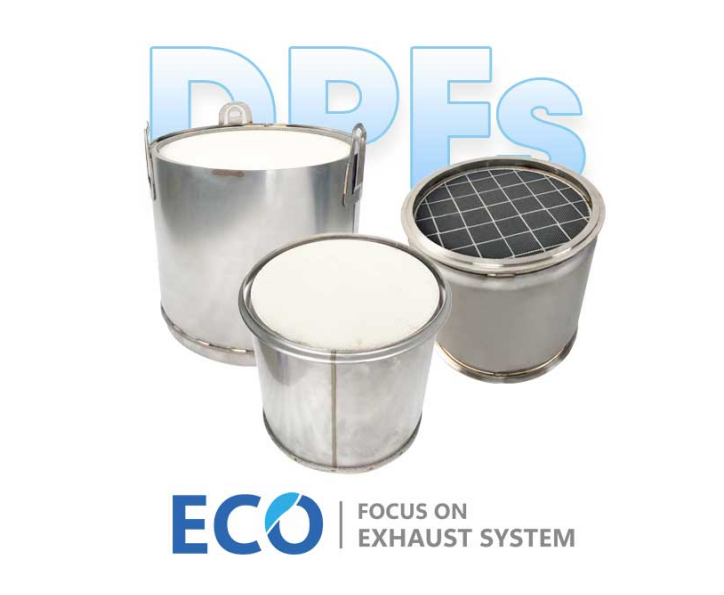
When professional cleaning may be appropriate
Cleaning may be considered when the unit is structurally serviceable, ash loading is the primary issue and the filter meets the cleaner’s intake criteria. The process should control temperature, airflow and ash capture, and it should include pre- and post-cleaning inspection or flow testing appropriate to the system.
Investigate why cleaning was needed. Excessive oil consumption, injector problems, failed regeneration or sensor faults can quickly load the filter again if the root cause remains.
When replacement is the stronger decision
Replacement is usually favored when the substrate is cracked, melted, severely contaminated, loose or unable to meet post-cleaning acceptance criteria. Damaged flanges, housings or sensor ports may also make the assembly unsuitable for reuse. Follow manufacturer limits and applicable emissions rules.
Select the replacement by OE reference, vehicle application, dimensions, sensor and bracket layout, and emissions configuration. Similar canisters are not necessarily interchangeable.
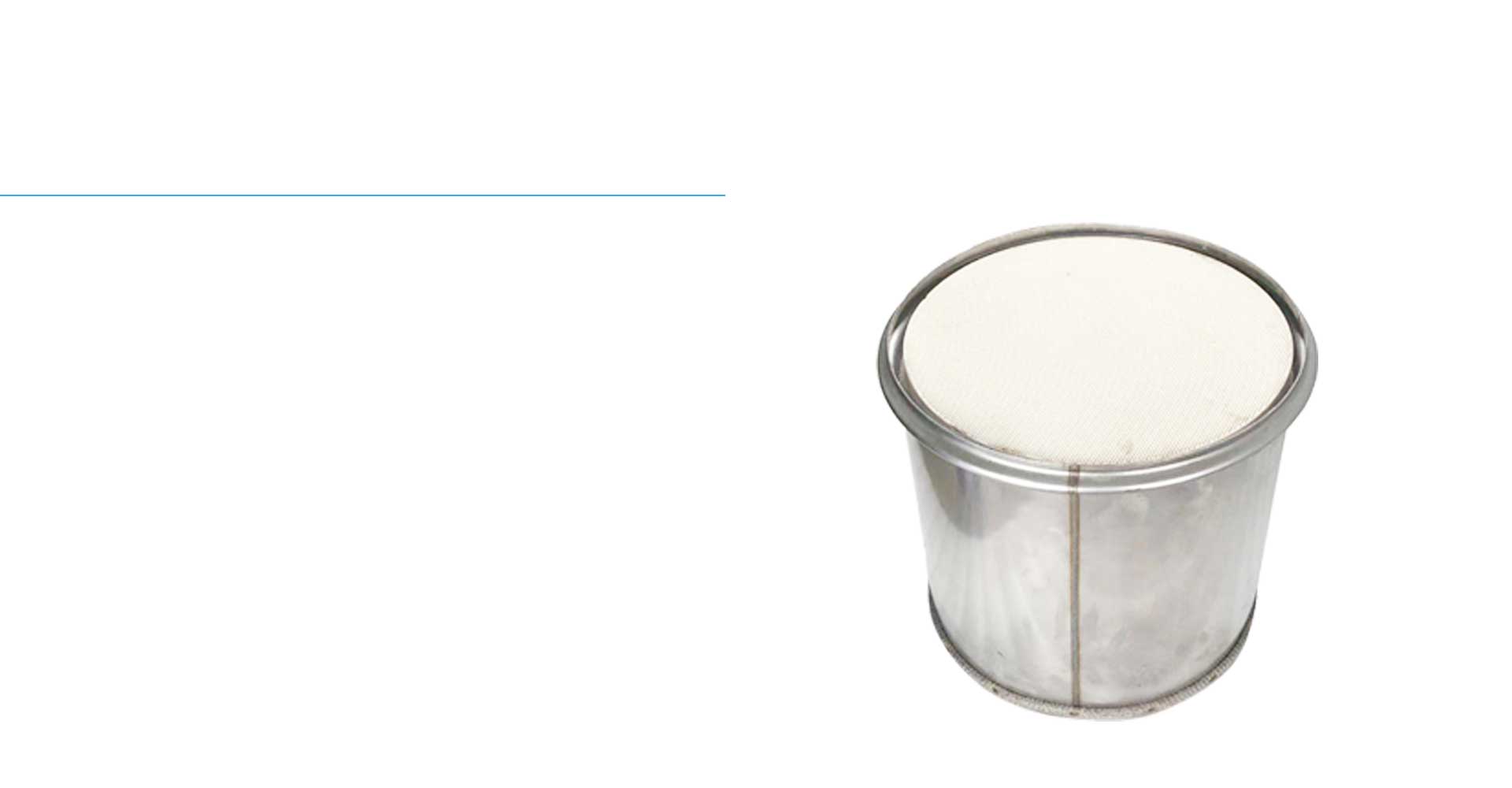
Compare downtime, risk and total cost
Cleaning includes removal, transport, processing, testing and reinstallation time. Replacement includes part cost and fitment validation but may reduce turnaround when stock is available. Fleets should compare the complete downtime path, not just invoice prices.
Also consider the confidence of the outcome. Repeatedly cleaning a damaged or contaminated unit can cost more than a timely replacement, while replacing every ash-loaded serviceable filter wastes usable value.
Install with new sealing components and verify the cause
Whenever the DPF is removed, inspect clamps, gaskets, flanges, sensors, hoses and mounting hardware. Replace single-use or damaged sealing parts according to the applicable procedure. Misalignment or a reused compressed gasket can create a new exhaust leak after an otherwise successful cleaning.
Clear or reset service information only as instructed, confirm backpressure and sensor behavior, and document the reason for cleaning or replacement. Maintenance history makes future decisions faster and more accurate.
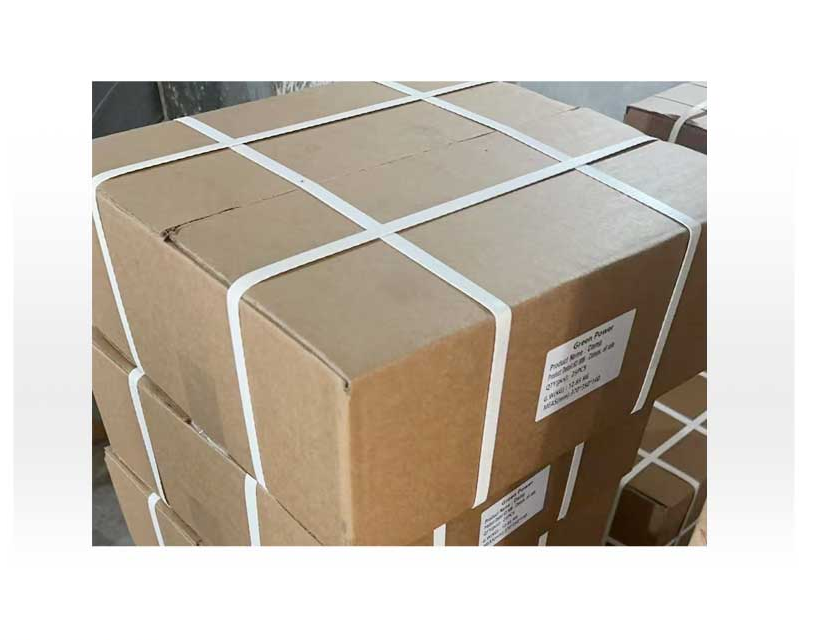
Practical workshop and purchasing workflow
- Read diagnostic data and maintenance history.
- Identify soot, ash, contamination or physical damage.
- Apply the cleaner or manufacturer acceptance criteria.
- Compare total downtime, cost and outcome risk.
- Validate replacement fitment when a new unit is required.
- Correct the root cause and renew required sealing parts.
Use the workflow as a controlled information handoff. The workshop records the vehicle, joint and physical evidence; purchasing preserves the references and requested quantity; the supplier confirms the application and included components; and the installer reports the result. That closed loop is more reliable than a one-line request or an image without context.
For fleet and distributor programs, retain sample approvals, incoming inspection results, packaging observations and fitment feedback by supplier number. This record helps distinguish a true product issue from an application-data error, shipping damage or installation condition. It also creates better evidence for future sourcing decisions.
| Condition | Cleaning consideration | Replacement consideration |
|---|---|---|
| Ash loading | Often serviceable with approved cleaning | If post-cleaning limits cannot be met |
| Soot overload | Diagnose regeneration and engine cause first | If thermal or structural damage occurred |
| Cracked or melted substrate | Not a normal cleaning candidate | Replacement generally required |
| Oil or coolant contamination | Only if an approved process accepts it | Replace when restoration is uncertain |
| Damaged housing or flange | Cleaning does not repair structure | Replace or approved structural repair |
Quality-control questions before approval
Before approving any DPF replacement vs cleaning, ask whether the reference is supported by a current application record, whether the measured geometry agrees with the part on the vehicle, and whether the sealing components are supplied as a compatible set. Confirm how the product is identified, protected in transit and linked to a production or inspection batch.
For a first order, use a sample or controlled quantity when practical. Inspect labeling, roundness, gasket condition, threads, welds and dimensions on arrival. Record the installation result instead of treating the absence of a complaint as validation. For repeat orders, monitor changes in appearance, packaging or supplier documentation and request an explanation before accepting an unannounced revision.
Installation feedback should be specific: vehicle details, OE number, connection position, photos before and after assembly, and the exact issue observed. Statements such as does not fit are difficult to investigate. Structured evidence allows the buyer and supplier to determine whether the problem concerns cross-reference data, manufacturing variation, an altered vehicle or workshop procedure.
What this means for distributors, fleets and workshops
For parts distributors
A distributor turning DPF replacement vs cleaning into a repeatable product line needs more than a supplier price list. Build a master record that separates direct OE interchange, application reference and kit relationship. Attach dimensional drawings, actual product photos, carton labels and revision dates. Train sales staff to request vehicle and joint information before promising fitment. When a return occurs, quarantine the item and compare it with the approved sample rather than placing it directly back into stock. This process protects catalog credibility, reduces freight and creates evidence for a constructive supplier investigation.
For fleet maintenance teams
Fleet managers should connect parts decisions with vehicle history. Record the installed reference, mileage or operating hours, reason for removal, observed soot or damage, diagnostic information and the technician’s findings. If several vehicles show the same pattern, compare duty cycle, previous repairs and component batches before assuming one universal cause. Standardized records make it easier to decide whether to change a maintenance practice, review a supplier reference or investigate an engine and aftertreatment condition. They also help procurement measure the cost of downtime and repeat labor, not merely the purchase price.
For workshops and installers
Workshop quality begins before the old part is removed. Photograph the assembly, mark component orientation when useful, and protect sensors and lines. After removal, keep the clamp, gasket and identification labels together until the replacement is confirmed. Inspect the complete joint under good lighting and record measurements from clearly defined points. During reassembly, support the exhaust, keep sealing surfaces clean and follow the current application procedure. The final job record should state what was replaced, which specification source was used and how the repair was checked after installation.
For technical and purchasing communication
The most efficient enquiry is concise but complete. Put the target part and quantity in the subject line, then provide the truck make, model, production information, engine or emissions level, OE references, joint position, photographs and dimensions. State whether the request is for a sample, urgent repair or stocking program. This allows the supplier to respond with a specific product, kit contents, fitment questions, lead time and packaging plan. It also reduces the risk that assumptions become undocumented catalog claims.
Frequently asked questions
Does regeneration remove DPF ash?
No. Regeneration burns combustible soot; noncombustible ash remains and requires appropriate service cleaning.
Can every DPF be cleaned?
No. Acceptance depends on substrate, housing, contamination and manufacturer or cleaner criteria.
How do I know a DPF is cracked?
Use the approved inspection and testing process; external appearance alone may not reveal internal damage.
Should clamps and gaskets be replaced after DPF removal?
Inspect them and follow the vehicle procedure. Replace damaged or specified single-use sealing components.
Why did a cleaned DPF load again quickly?
Possible causes include unresolved engine faults, oil consumption, sensor issues, unsuitable duty cycle or incomplete cleaning.
Related ECO product and support pages
Conclusion
Cleaning preserves a serviceable filter; replacement addresses a filter that cannot be safely restored. The best decision combines diagnosis, physical inspection, acceptance testing, downtime economics and correction of the underlying cause.
If you need a fitment check, send ECO the truck make, model, year, emissions level, OE number, clear product photographs, measured dimensions, required quantity and destination. Our DPF sourcing and technical services team can review the information before quotation.