

The label OEM or aftermarket does not by itself predict whether a DPF clamp or gasket will deliver a reliable repair. OEM parts offer a direct vehicle-manufacturer channel and defined service information. Aftermarket products can offer broader sourcing options, complete kits and competitive cost, but their quality and catalog accuracy vary widely. Professional buyers should compare measurable characteristics and supplier controls rather than choosing by category alone.
Fit tolerance and application data
Compare clamp seating diameter, profile, band width, bolt travel and gasket dimensions against the intended connection. Ask how the aftermarket supplier created and validates its cross-reference. A long list of OE numbers is not useful if application boundaries and component positions are unclear.
The strongest suppliers can explain exceptions, supersessions and required kit contents. Sample fitment is valuable for new references and high-volume programs.

Materials and manufacturing consistency
Request material specifications appropriate to the exhaust environment and evidence of production controls. Inspect forming consistency, weld quality, band edges, threads and gasket construction. The relevant question is not whether a material sounds premium, but whether the finished part maintains geometry and sealing behavior through expected heat and corrosion exposure.
Compare samples from different batches when establishing a long-term program. Consistency matters as much as the first approved sample.
Traceability, labeling and packaging
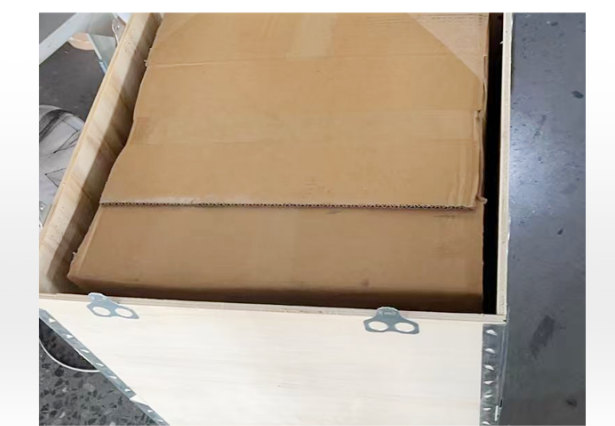
OEM channels typically provide structured part identification. Aftermarket suppliers should meet the same procurement need with clear supplier numbers, OE references, batch information and quantities. Packaging should protect clamp roundness and gasket edges from factory to workshop.
For private-label programs, define label content and change control. Unannounced substitutions can undermine catalog accuracy even when the new part appears similar.
Technical support and warranty handling
Evaluate response quality before a problem occurs. Can the supplier review photographs and dimensions, provide drawings, explain kit contents and investigate a returned part? A low-cost part becomes expensive when the buyer must solve every fitment question alone.
Define the evidence required for a claim, expected response time and responsibility for replacement or freight. Clear processes protect both parties.
Total cost rather than unit price
Include inspection time, incomplete kits, mis-picks, emergency shipping, returns, workshop labor and vehicle downtime. An aftermarket program with strong data and packaging can outperform a cheaper but inconsistent offer. Conversely, an unsupported quality claim should not justify a premium.
Use a weighted supplier scorecard and review actual delivery, fitment and claim data over time. Procurement decisions improve when they are based on outcomes.

Practical workshop and purchasing workflow
- Define the exact application and acceptance criteria.
- Compare dimensions, materials and sample workmanship.
- Audit cross-reference evidence and change control.
- Test packaging, labels and warehouse usability.
- Agree technical-response and warranty procedures.
- Track delivered fitment, claims and total cost.
Use the workflow as a controlled information handoff. The workshop records the vehicle, joint and physical evidence; purchasing preserves the references and requested quantity; the supplier confirms the application and included components; and the installer reports the result. That closed loop is more reliable than a one-line request or an image without context.
For fleet and distributor programs, retain sample approvals, incoming inspection results, packaging observations and fitment feedback by supplier number. This record helps distinguish a true product issue from an application-data error, shipping damage or installation condition. It also creates better evidence for future sourcing decisions.
| Buyer criterion | Questions | Useful evidence |
|---|---|---|
| Fitment | How was the OE mapping validated? | Drawing, sample and application record |
| Quality | Which dimensions and defects are controlled? | Inspection plan and batch records |
| Material | Is construction defined and consistent? | Specification and supplier declaration |
| Packaging | Will shape and labels survive transit? | Pack test and arrival inspection |
| Support | How are fitment claims investigated? | Response workflow and case examples |
Quality-control questions before approval
Before approving any OEM vs aftermarket DPF clamp, ask whether the reference is supported by a current application record, whether the measured geometry agrees with the part on the vehicle, and whether the sealing components are supplied as a compatible set. Confirm how the product is identified, protected in transit and linked to a production or inspection batch.
For a first order, use a sample or controlled quantity when practical. Inspect labeling, roundness, gasket condition, threads, welds and dimensions on arrival. Record the installation result instead of treating the absence of a complaint as validation. For repeat orders, monitor changes in appearance, packaging or supplier documentation and request an explanation before accepting an unannounced revision.
Installation feedback should be specific: vehicle details, OE number, connection position, photos before and after assembly, and the exact issue observed. Statements such as does not fit are difficult to investigate. Structured evidence allows the buyer and supplier to determine whether the problem concerns cross-reference data, manufacturing variation, an altered vehicle or workshop procedure.
What this means for distributors, fleets and workshops
For parts distributors
A distributor turning OEM vs aftermarket DPF clamp into a repeatable product line needs more than a supplier price list. Build a master record that separates direct OE interchange, application reference and kit relationship. Attach dimensional drawings, actual product photos, carton labels and revision dates. Train sales staff to request vehicle and joint information before promising fitment. When a return occurs, quarantine the item and compare it with the approved sample rather than placing it directly back into stock. This process protects catalog credibility, reduces freight and creates evidence for a constructive supplier investigation.
For fleet maintenance teams
Fleet managers should connect parts decisions with vehicle history. Record the installed reference, mileage or operating hours, reason for removal, observed soot or damage, diagnostic information and the technician’s findings. If several vehicles show the same pattern, compare duty cycle, previous repairs and component batches before assuming one universal cause. Standardized records make it easier to decide whether to change a maintenance practice, review a supplier reference or investigate an engine and aftertreatment condition. They also help procurement measure the cost of downtime and repeat labor, not merely the purchase price.
For workshops and installers
Workshop quality begins before the old part is removed. Photograph the assembly, mark component orientation when useful, and protect sensors and lines. After removal, keep the clamp, gasket and identification labels together until the replacement is confirmed. Inspect the complete joint under good lighting and record measurements from clearly defined points. During reassembly, support the exhaust, keep sealing surfaces clean and follow the current application procedure. The final job record should state what was replaced, which specification source was used and how the repair was checked after installation.
For technical and purchasing communication
The most efficient enquiry is concise but complete. Put the target part and quantity in the subject line, then provide the truck make, model, production information, engine or emissions level, OE references, joint position, photographs and dimensions. State whether the request is for a sample, urgent repair or stocking program. This allows the supplier to respond with a specific product, kit contents, fitment questions, lead time and packaging plan. It also reduces the risk that assumptions become undocumented catalog claims.
Frequently asked questions
Is OEM always better than aftermarket?
Not automatically. Compare fitment evidence, manufacturing controls, support and total delivered performance.
What does OEM quality mean?
The phrase is vague unless supported by measurable dimensions, materials, inspection and application data.
Should distributors request samples?
Yes, especially for new references, high-volume items or applications with uncertain cross-reference data.
Can aftermarket kits include more components?
They can, which may simplify purchasing, but verify that every included part belongs to the same repair.
What is the best supplier KPI?
Use a balanced view of fitment success, claims, response time, delivery, packaging and total cost.
Related ECO product and support pages
Conclusion
OEM and aftermarket are sourcing routes, not complete quality judgments. Buyers who compare application evidence, geometry, materials, traceability, packaging and support can select parts that fit their commercial and technical requirements.
If you need a fitment check, send ECO the truck make, model, year, emissions level, OE number, clear product photographs, measured dimensions, required quantity and destination. Our DPF sourcing and technical services team can review the information before quotation.