
For heavy-duty parts distributors, a reliable DPF cross-reference database is one of the most valuable assets in the business. It converts confusing OE numbers into findable, sellable parts and reduces fitment errors. This guide explains how to build and maintain a practical cross-reference system for DPF filters, clamps and gaskets.
Table of Contents
Why Distributors Need a DPF Cross-Reference Database
A workshop technician calls with an OE number scrawled on a dirty filter. Without a cross-reference database, the distributor must call the supplier, wait, and hope the part matches. With a well-maintained database, the distributor finds the DPF, clamp and gasket kit in seconds, confirms fitment, and quotes confidently. This speeds up sales, reduces returns and improves customer trust.
The process itself is described in our guide to cross-referencing a truck DPF by OE number. The database is simply the organized record of every cross-reference you have verified. For European applications, the European DPF selection guide shows the breadth of vehicles and brands to cover.
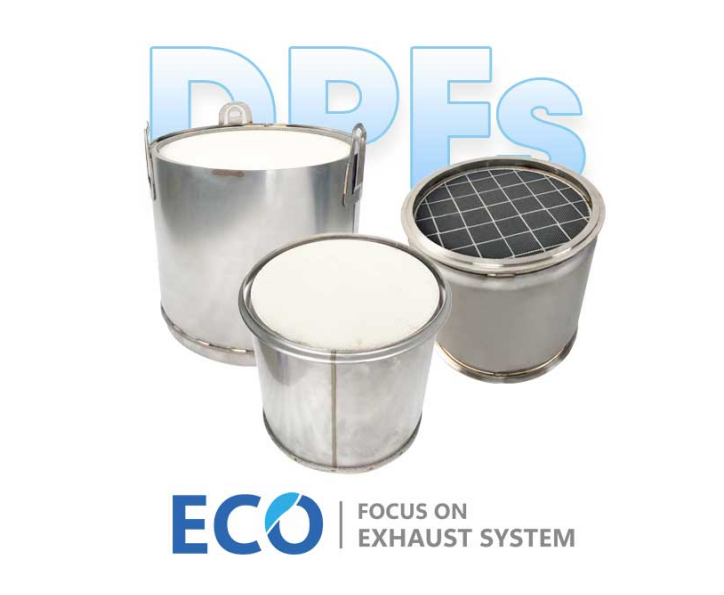
Data to Collect for Each Part
For every DPF, clamp and gasket entry, record:
- OE reference numbers: All manufacturer part numbers that map to the same component.
- Vehicle application: Make, model, year range, engine and emissions level.
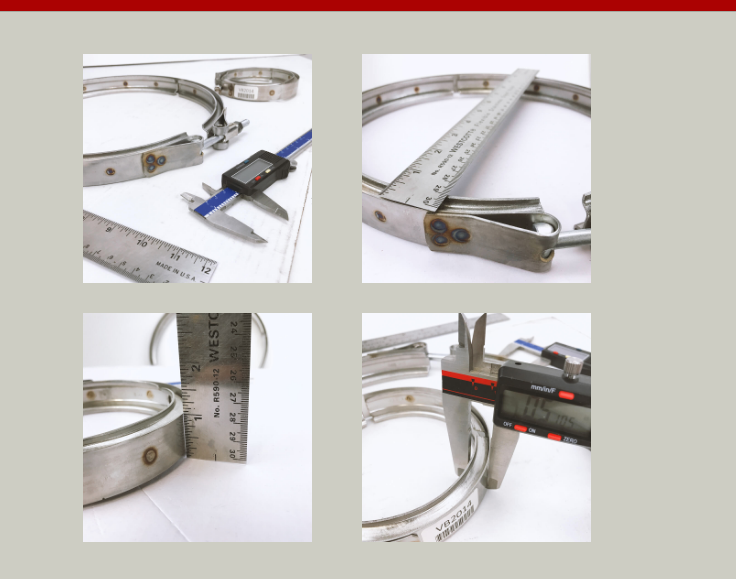
- Physical dimensions: Flange diameter, band width, length and connection geometry.
- Sensor ports and brackets: Positions and thread sizes for temperature, NOx and pressure sensors.
- Clamp and gasket kit: Matching clamp OE number, gasket OE number and bolt housing type.
- Supplier and batch: Who supplied it, inspection result and fitment feedback.
The measurement method in our guide on how to measure DPF clamp diameter provides the physical data point. Our fleet buyer’s checklist shows how to structure incoming records.
Building and Maintaining the Database
- Start with the vehicles your customers actually run. Prioritize the top makes and models in your region.
- Use a spreadsheet, ERP or PIM system. The tool matters less than consistent fields and disciplined updates.
- For each new part, record the OE number, measure the physical dimensions, and photograph the label and flanges.
- Link the DPF to its matching clamp and gasket kit. A customer ordering a DPF should see the recommended sealing kit.
- Track fitment feedback. If a part comes back as a mismatch, record the reason and correct the entry.
- Review and update quarterly. New vehicle models and supplier part numbers appear continuously.
Core Data Fields Quick Reference
| Field | Example | Purpose |
|---|---|---|
| OE reference | 21xxxxxx | Primary lookup key |
| Vehicle make/model | Volvo FH / DAF XF | Application match |
| Engine / emissions | MX-13 / Euro 6 | Fitment accuracy |
| Flange diameter | 152.4 mm | Clamp match |
| Matching clamp OE | Supplied kit | Sealing kit link |
| Matching gasket OE | Supplied kit | Sealing kit link |
| Fitment feedback | Confirmed / returned | Data quality |
ECO’s parts crosses resource supports OE-number lookup across the European range. For the North American market, see our North American DPF cross-reference guide.
Common Pitfalls to Avoid
Distributors most often make these database mistakes:
- Recording only one OE number: The same DPF may carry several manufacturer numbers. Capture all of them.
- Assuming model-year interchange: Emissions upgrades and engine changes mean the same model year can carry different parts.
- Missing clamp and gasket links: A DPF entry without its matching sealing kit forces the customer to order separately.
- Not tracking feedback: Without recording fitment returns, the database repeats the same error.
- Ignoring physical dimensions: Two OE numbers can look the same but have different flange geometry. See our European vs North American fitment comparison.
Frequently Asked Questions
What tool should I use to build the database?
A simple spreadsheet works to start. As volume grows, move to an ERP or PIM system that links to your e-commerce site. The fields and discipline matter more than the tool.
How often should the database be updated?
Review quarterly at minimum. Add new OE numbers, vehicle applications and fitment feedback as they arrive. New vehicle models appear every year.
Can I buy a pre-built DPF cross-reference database?
Some data providers offer aftermarket cross-reference lists, but they must be verified against physical parts. ECO provides application data and cross-reference support for the parts we supply through our parts crosses resource.
Should the database include clamp and gasket kits?
Yes. A DPF entry that links to its matching clamp and gasket set is far more useful. See our clamp and gasket product range for the kit structure.
Integrating the Database with Your Website
Once the cross-reference database is built, exposing it to customers can be a competitive advantage. An online lookup tool where buyers enter an OE number and immediately see the matching DPF, clamp and gasket kit reduces phone calls and speeds up orders. Even a simple searchable page on your e-commerce site converts more inquiries. Ensure the lookup links to the actual product pages so customers can add the kit to cart directly.
When integrating, keep the data fields clean. Avoid duplicate entries for the same OE number. Standardize vehicle make names (Volvo, not VOLVO or Volvo Trucks variants) so searches return consistent results. Our own parts crosses page demonstrates this lookup workflow. For the physical data behind each entry, always measure the flange using our clamp diameter guide.
Keeping the Database Accurate Over Time
A cross-reference database is a living document. New vehicle models, new OE numbers and new supplier part numbers appear every year. Schedule a quarterly review to add new data, correct errors and retire obsolete entries. When a customer reports a fitment issue, investigate immediately: is it a data error, a physical mismatch or an installation problem? Record the outcome so the same issue does not recur. ECO supports distributors with updated application data and OE cross-reference support through the parts crosses resource. Combined with our matched DPF, clamp and gasket kits, an accurate database becomes a lasting competitive advantage.
Ultimately, a DPF cross-reference database is not just a lookup tool—it is a reflection of your parts business expertise. Distributors who invest in accurate, verified data win customer trust and reduce error rates. Combined with a reliable supplier like ECO that provides complete DPF, clamp and gasket kits with OE-level fitment data, the database becomes a growth asset rather than a maintenance overhead. Start small, verify every entry, and expand as your fleet and workshop customers demand.
Conclusion
A DPF cross-reference database turns OE numbers into speed, accuracy and sales. Collect the right fields, measure physical dimensions, link DPFs to their sealing kits, and track fitment feedback. ECO supports distributors with verified application data, complete DPF, clamp and gasket kits, and OE cross-reference assistance. Contact our technical team to discuss how we can support your catalog.
ECO supports parts distributors with verified OE cross-reference data and complete replacement kits. When your database is combined with ECO’s application support, every lookup becomes a confirmed order. Start by sending ECO your most frequently referenced OE numbers. The technical team will confirm the matching DPF, clamp and gasket kit and help you build out the rest of your catalog.